


Understanding PENDLE: A Tokenomic Analysis of the Cryptocurrency
In recent years, the world of cryptocurrency has seen a surge in new projects, many of which aim to revolutionize the way we think about digital assets. One such project is Pendle, a decentralized social platform that utilizes blockchain technology to create a unique and innovative token economy. In this article, we will delve into the world of PENDLE, exploring its underlying concepts, tokenomics, and role in shaping the future of cryptocurrency.
What is PENDLE?
Pendle is a platform designed for creating and managing social networks, allowing users to connect with others across the globe. The platform’s name, “pendle,” refers to the word “pendulum,” which symbolizes the constant flow of information and connections in Pendle’s ecosystem.
Tokenomics: Understanding the Basics
Before diving into PENDLE’s token economy, it is essential to understand the fundamental concepts of tokenomics. Tokenomics refers to the economics and structure of a cryptocurrency or blockchain-based project. It encompasses various aspects, including supply, demand, distribution, and use cases.
In the case of Pendle, its token is called PNDL (Pendle Digital Link). The PNDL token serves as the native asset of the platform, used for various purposes such as transaction fees, governance voting, and rewards. Tokenomics plays a critical role in shaping PENDLE’s ecosystem, influencing how users interact with each other and the platform itself.
Token Supply
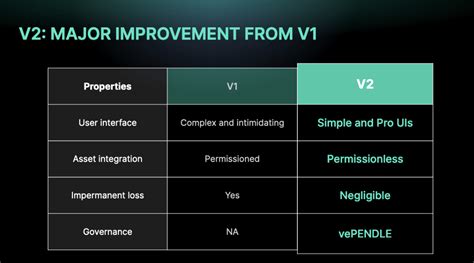
The supply of the PNDL token is capped at 100 million units, representing a total of 50% of Pendle’s circulating supply. This limited supply structure helps maintain demand for the token and ensures that users have an incentive to participate in the ecosystem.
Distribution
The distribution of PNDL tokens follows a predetermined schedule:
- 30% will be released to early contributors (10% of total tokens)
- 20% will be reserved for the development team
- 20% will be allocated for community fund
- 30% will remain available for market forces
Use Cases and Revenue Streams
Pendle’s token economy provides various use cases, including:
- Transaction fees: Users pay a small fee to participate in transactions on the platform.
- Governance voting: PNDL holders can vote on important decisions affecting Pendle’s development and direction.
- Rewards: Users who contribute value or engage with the community receive rewards in the form of additional PNDL tokens.
Revenue streams for Pendle include:
- Transaction fees (a percentage of each transaction)
- Sponsored content and advertising
- Premium services
Innovative Features
Pendle’s token economy is not just about managing user data; it also incorporates several innovative features, including:
- Decentralized social network: Users can create profiles, connect with others, and share content without relying on third-party platforms.
- Token-based rewards: PNDL holders receive rewards for participating in the ecosystem, fostering a sense of community and driving user engagement.
Conclusion
Pendle is a pioneering project that has successfully implemented a tokenomics framework to create a unique and innovative cryptocurrency platform. By understanding the basics of tokenomics and how it shapes PENDLE’s ecosystem, we can gain insights into the future of digital assets. As the PNDL token economy continues to evolve, it will be exciting to see how users and developers interact with Pendle, driving its growth and shaping the world of cryptocurrency.
Key Takeaways:
- Understand the basic concepts of tokenomics and their application in cryptocurrency projects.
- Recognize the role of the PNDL token in shaping the ecosystem of Pendle.
- Familiarize yourself with the distribution schedule of the PNDL token.